
Raw vs Virgin Hair Before You Order Bundles
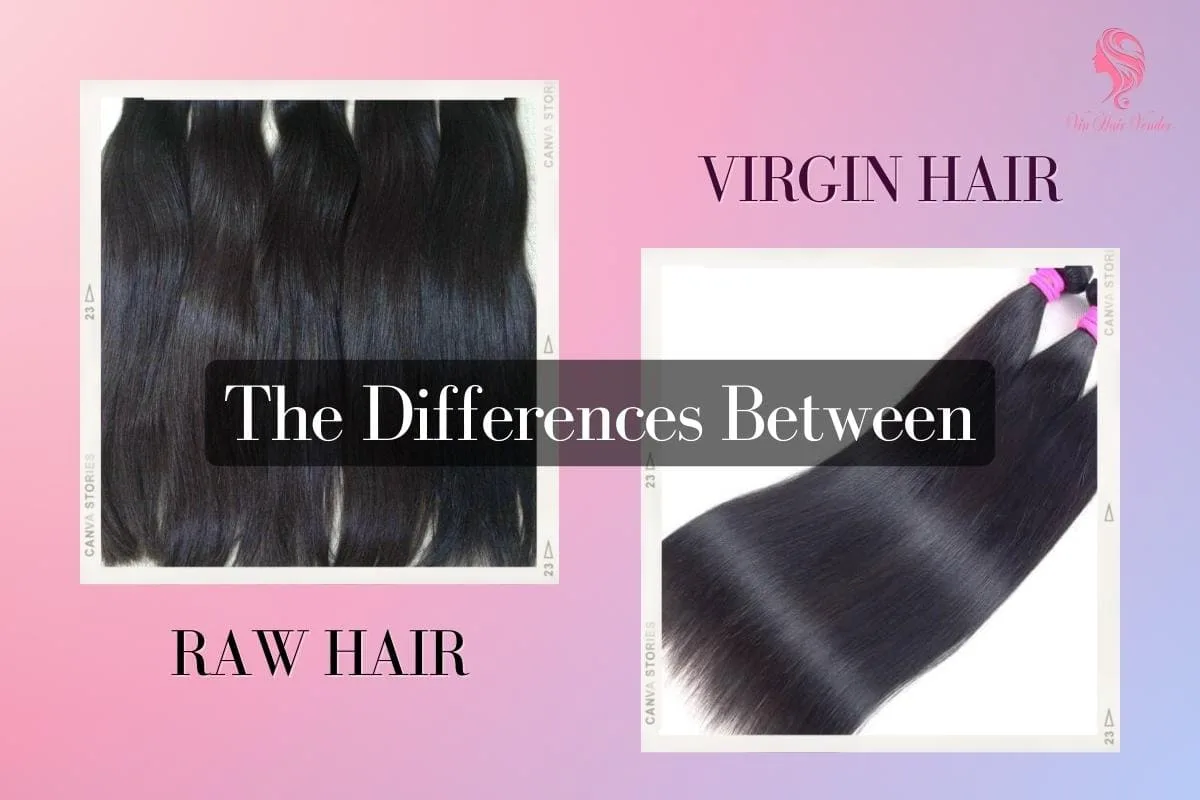
Raw and virgin bundles can both be premium choices, but the better buy depends on whether you care more about a uniform ready-to-install pattern or a stronger base for coloring and repeat use.
Key takeaways
What matters most before you change your routine
- Virgin bundles usually make the easiest choice when you want consistent texture and a cleaner install right away.
- Raw bundles often make more sense when you plan to color the hair, reuse it several times, or prioritize base strength over perfect uniformity.
- The best buy depends on your install plan, maintenance tolerance, and how much variation you can accept from bundle to bundle.
Raw and virgin bundles get presented like a luxury ranking, but that framing usually hides the real choice buyers need to make. The better option is not the one with the louder label. It is the one that matches how you plan to wear, color, reinstall, and maintain the hair after purchase.
A useful comparison starts with what each category actually means in practice. Virgin hair usually gives a more uniform ready-to-install texture, while raw hair tends to hold more value for buyers who want a tougher base, more coloring freedom, or longer reinstall life. Once you sort the purchase around those goals, the decision gets much easier.
Wig 101: Raw vs Virgin Hair Explained | Hair Quality, Grades & Why Your Wig Won’t Bleach
You bleached your wig and it turned orange… again.Ormaybe thehairsnapped, shed like crazy,ornever lifted past brassy ...
- Channel: Jeharna
Start with what the labels actually mean in real buying terms
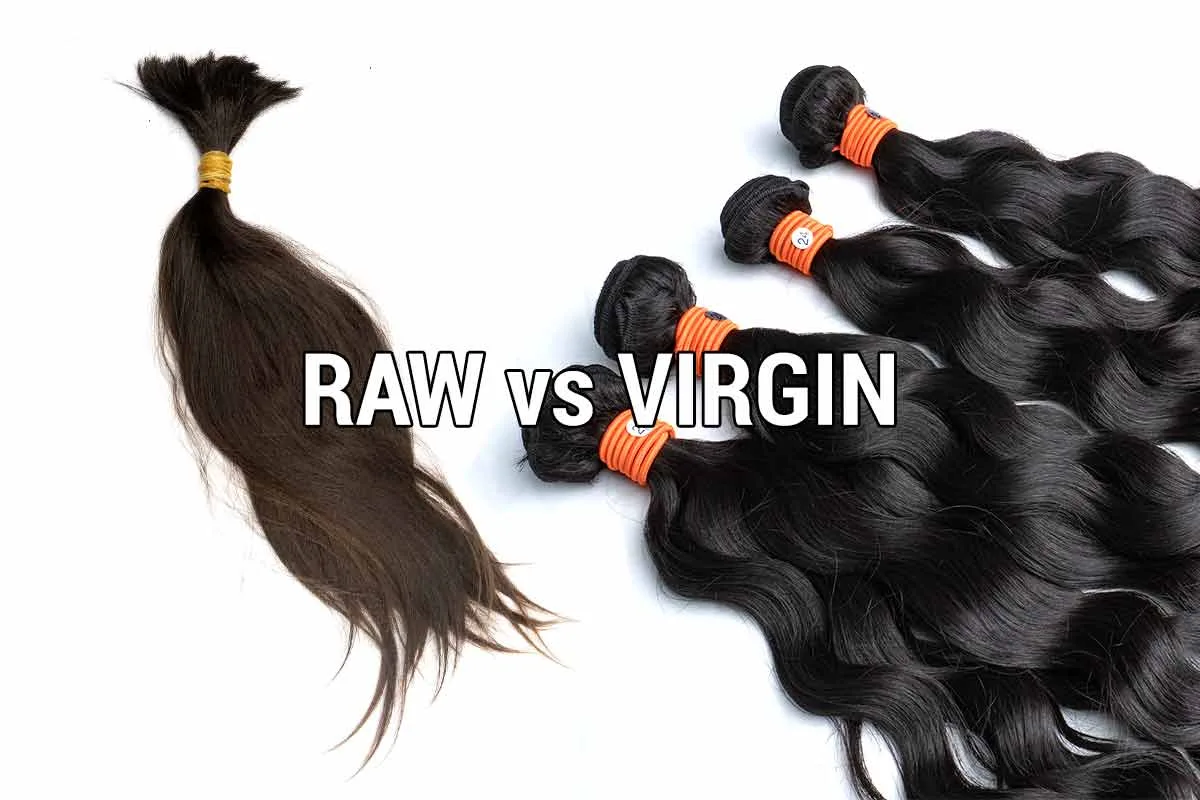
Virgin and raw both point to human hair, but they are not identical buying categories. Virgin hair usually refers to hair that has not been chemically processed, even though many ready-to-sell textures are still shaped through steam to create a more uniform curl or wave pattern.
Raw hair starts from a less altered base and is usually valued for that stronger foundation. For buyers, the practical difference is not a purity contest. It is how much built-in texture consistency you want versus how much long-term resilience you need.
Virgin often wins on predictable presentation. Raw often wins when you care more about what the hair can handle over time.
- Treat the label as a clue about the base, not as automatic proof of quality.
- Ask whether the texture was steam-set for consistency or left closer to its natural state.
- Buy around your use case instead of chasing the more expensive label by default.
Virgin hair usually suits buyers who want a more uniform install
Virgin bundles are often the easier choice for shoppers who want the hair to arrive with a stable look and behave consistently across the install. That matters when you are buying bundles, closure pieces, or a wig setup and want the finished result to look polished without a lot of sorting and adjustment.
predictability also helps newer buyers. If your main goal is a clean install, manageable upkeep, and a price point that stays more approachable than raw, virgin hair often matches the purchase better.
Choose virgin hair when texture consistency, budget control, and a simpler first install matter more than maximum processing freedom later.
- Useful for first-time buyers and single-install plans.
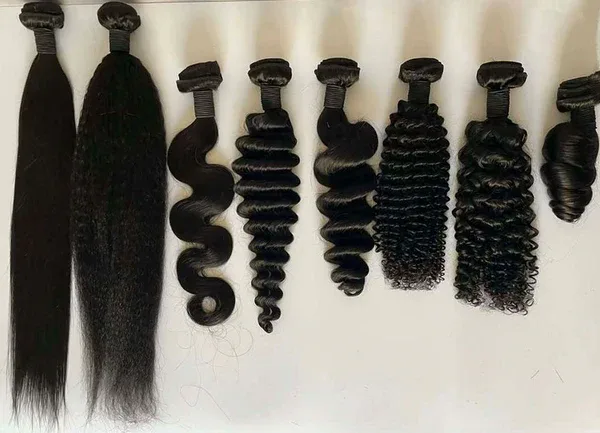
- Often easier when you want a reliable wave or curl pattern across every bundle.
- Can be the smarter buy when you are not planning heavy color work.
Raw hair earns its premium when you want more from the base
Raw hair tends to make more sense when the buyer wants to do more with the hair after purchase. That can mean repeat installs, stronger coloring plans, or simply a preference for hair that starts from a less altered foundation and softens with wear instead of only looking polished on day one.
The tradeoff is that raw hair can ask for more acceptance of natural variation and a higher upfront cost. That is worth it for some buyers, especially stylists and repeat extension wearers, but it is not automatically the better answer for everyone.
Raw hair tends to justify the extra spend when coloring freedom and longer-term reuse matter more than immediate uniformity.
- Best for buyers who plan to color or bleach the hair.
- Often stronger for repeated installs over time.
- Expect higher upfront cost and a little more bundle-to-bundle individuality.
Color plans and reinstall habits usually decide the answer fastest
Many buyers get stuck comparing marketing words when the real shortcut is simpler: ask what you want the hair to survive. If you want dramatic color work, multiple installs, or a longer ownership window, raw hair often becomes easier to justify.
If you want a good-looking install now, a clear texture match, and less decision fatigue before checkout, virgin hair often keeps the process cleaner. That is why the better category usually shows up once you map the hair to the next six months instead of the first unboxing moment.
If your plan centers on coloring and reuse, lean raw. If your plan centers on predictable presentation and easier value, lean virgin.
- Let your coloring plan decide more than trend language does.
- Think about how many installs you expect before the hair retires.
- Balance upfront price against how hard you plan to push the hair later.
Use checkout questions to avoid buying the wrong premium label
Before you order, ask how the seller defines the category, what variation to expect between bundles, how the texture behaves after washing, and whether the hair is a realistic fit for your coloring plan. Those answers matter more than an oversized grade number or a generic premium claim.
The goal is not to find the most impressive-sounding option. The goal is to buy the bundle type that fits your install style, budget, and maintenance habits without forcing the hair to do a job it was not the best match for.
Ask about color tolerance, texture consistency after washing, bundle variation, and which buyer profile the seller thinks the hair fits best.
- Confirm whether the texture is meant to stay highly uniform or show more natural variation.
- Ask how the hair responds to coloring, washing, and repeated reinstall use.
- Use those answers to match the bundle type to your real routine.
Frequently asked questions
Is raw hair always better than virgin hair?
No. Raw hair is often stronger for coloring and repeat use, but virgin hair can still be the smarter buy when you want a more uniform texture, an easier install, and a lower upfront spend.
Which type is usually better for coloring?
Raw hair is usually better for coloring because buyers choose it for a less altered base that tends to handle stronger color work more confidently over time.
Why do some buyers still choose virgin hair first?
They choose it because the texture is often more predictable across bundles, the install can look polished faster, and the price is usually easier to justify for one clean install.
What should you ask before ordering either type online?
Ask how the seller defines the category, how much bundle variation to expect, how the texture behaves after washing, and whether the hair fits your coloring and reinstall plans.